When “She Helped Me” Isn’t a Valid Defense
By Elizabeth Prata
SYNOPSIS: Many defend false teachers by claiming, “Their teachings helped me.” This essay examines what true biblical help looks like—conviction of sin, growth in holiness, and exaltation of Christ—and argues that spiritual benefit must be measured by Scripture, not personal feelings.
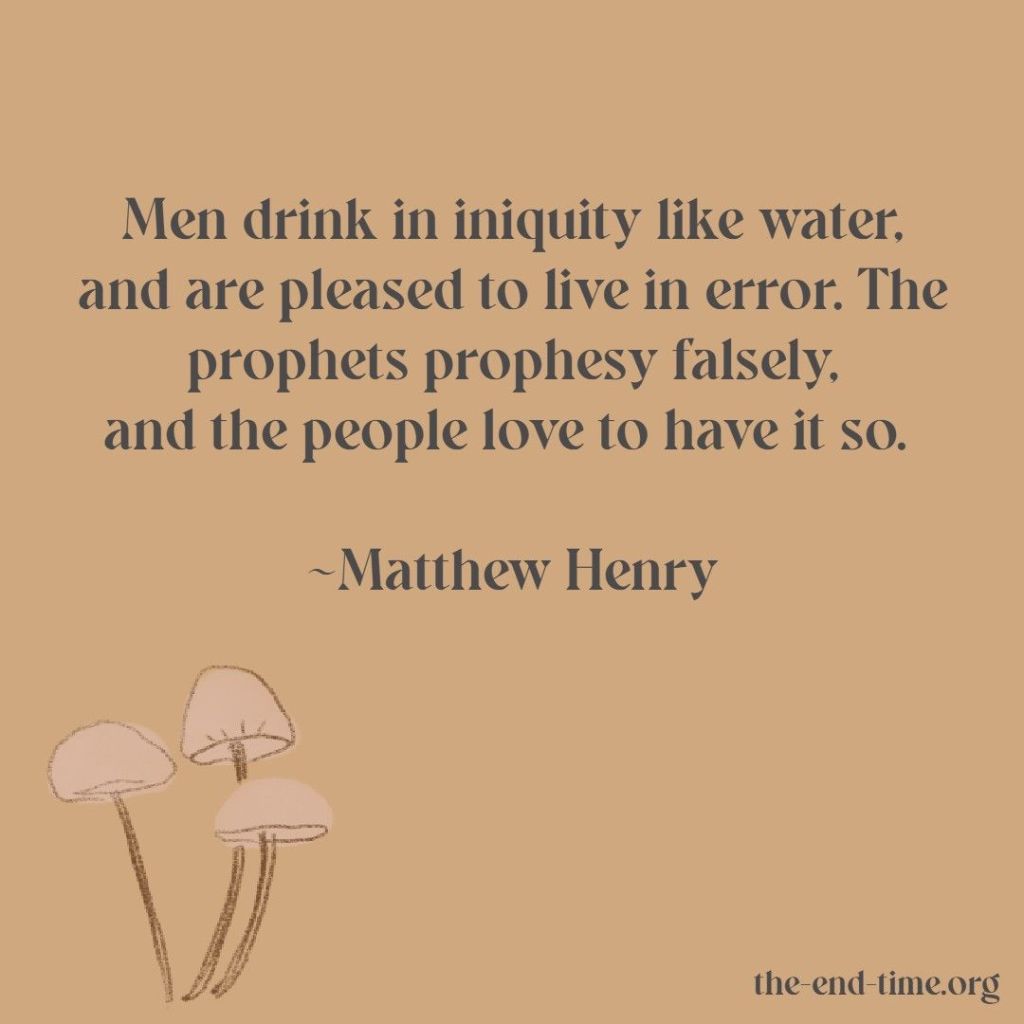
Their lessons helped me!
I recently posted a photo and some excerpted reviews of Beth Moore teachings from an article the author wrote 16 years ago. The article was friendly to Moore. Notwithstanding, even the friendly author noticed several of Moore’s unbiblical practices, but in the article sadly made excuses for them.
On my Facebook page The End Time I posted a photo and some of the excerpts of the article. I said Moore was a false teacher. Over the course of 24 hours, the posting saw 200,000 views, well above my normal peanuts of 1000 views. I spent the day managing comments, keeping up with deleting the harsh or profane ones, and responding as an opportunity to reach some undiscerning defenders with Biblical verses.
I received the usual defenses and rejoinders such as “Who are you to judge?” and this fairly constant refrain, “Her lessons have helped me!”
Today I’d like to take a look at the “she helped me” defense of false teachers and whether we should assess a Bible teacher based on our personal experience with him or her.
First, I ask the question, have they helped? Really helped you? Because this is how Bible lessons help you-
They teach you to identify in the sufferings of Christ– and remind us that we may also suffer at times. False teachers rarely speak of suffering for Christ.
They convict you of sin so you repent of them. Some false teachers never even speak of sin at all! Others refuse to call our sins what they are and instead dilute the word down to a ‘brokenness’, or even ‘our mess’.
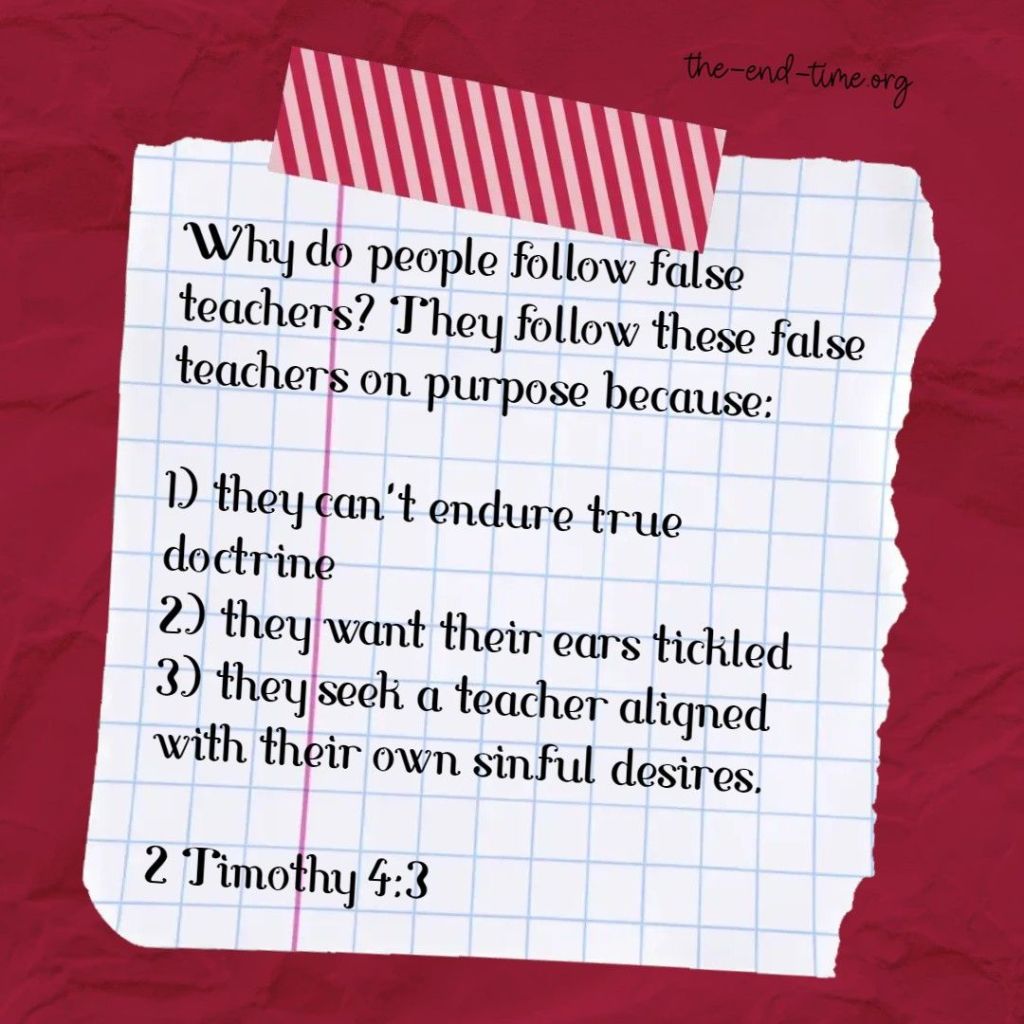
They teach you to die to yourself. False teachers flatter, says Romans 16:18. But those who do not want to withstand the pure doctrine of Jesus’ words instead allow words that tickle their itching ears to enter in. Has this person’s lessons taught you to surrender your ambitions and submit to God’s calling? Or to use Jesus to get what you want? Dying to self is not popular, and false teachers above all want to be popular.
You are helped by a Bible teacher if they teach you to live for Christ- and not as a heavenly butler to bring you temporal relief and earthly ‘stuff’, but to sacrifice and serve with all your strength, mind, and soul. False teachers mention Jesus a lot, but do they reveal the Jesus of the Bible from the word of God? Think of the difference between Paul’s words and his example of living for Christ, and Simon Magus who wanted to bypass repentance of sin required to gain the Spirit, and just offered money to buy Him instead.
They teach you so that your conscience is pricked. The word of God transforms the mind, (Romans 12:2) and the conscience is the first place it begins to transform. Oftentimes when our conscience is pricked or prodded it feels distinctly UNhelpful! But iron sharpening iron is not a comfortable or even initially helpful-feeling process. But in the end, a Bible teacher is helping you if you see your sinful state through their Bible lessons.
As Joel Beeke wrote of the Puritan conscience, “The purpose of conscience is to make us continually aware of the presence of the holy God. …A good conscience enabled men to walk with Christ.” A teacher helps you by focusing on Christ and our pitiful state so that we examine our conscience to see what needs repair and repentance.
Teachers help you by teaching you to be content in all circumstances. To carry others’ burdens, forgive even our enemies. To fear God. Above all, teachers help you when they remind you of not only Jesus’ kindness but also His anger over sin and His coming wrath. THIS is how they ‘help you’.
False teachers disguise their destructive heresies, usually with flattering and soft words. They don’t announce themselves.
“…[D]ishonest speech that is hidden by flattering comments and words that praise people for the sake of their approval and not because there is genuine sentiment behind it. False teachers use words to attract and retain others not for the sake of Christ but for their own sake.” Source Ligonier “Signs of a False Teacher“.
False teachers absolutely use biblical terms and they will quote scripture. But be careful, oftentimes the quoted scripture is ripped from context or only part of the verse may be used. They will make you feel good about yourself – this is the satisfying itchy ears phrase.
We do not assess Bible teachers based on how they have helped us. We assess a teacher based on how they present the Biblical Jesus to us and how they have shown us who He is (and who we are) from the Bible. Not how we feel about a lesson.
In short, you may FEEL they have helped you, but you have eaten rotten fruit from their rotten tree.
Luke 6:43-44 says –
No good tree bears bad fruit, nor does a bad tree bear good fruit. / For each tree is known by its own fruit. Indeed, figs are not gathered from thornbushes, nor grapes from brambles.
People forget the stark opposition of these 2 trees, it’s not like you can nibble a bit from the bad tree and feel healthy. A bad tree bearing bad fruit does not help you, ever. It is EITHER good, OR bad. A false teacher cannot help you. Even if they don’t preach evil and bad all day long, and they do not, they mix the good doctrine with the evil doctrine, if you nibble from the bad tree it yields unhealthiness. You can eat a fig, or a thorn. You can eat a grape, or a bramble.
Don’t eat the thorns.

Further Resources
Ligonier Devotional: Signs of a false teacher
Challies essay: 7 Marks of a False Teacher
John MacArthur audio 5-min: How to Identify False Teachers
Justin Peters lesson 50-min: The Duty of Discernment