The Wise Men in the Bible: Who Were the Magi?
They show up in every nativity scene — three crowned kings kneeling at the manger. But almost everything in that familiar picture is missing from, or different than, what the Bible actually says. The real story of the wise men is stranger and more interesting.
The wise men in the Bible appear only in Matthew's Gospel, and a careful reading clears away centuries of added detail to reveal who these mysterious visitors really were. As part of our bible verses for Christmas, their story carries a surprising message.
Here is what the Bible says about the Magi, what their gifts meant, and what our nativity sets get wrong.
Who the wise men actually were
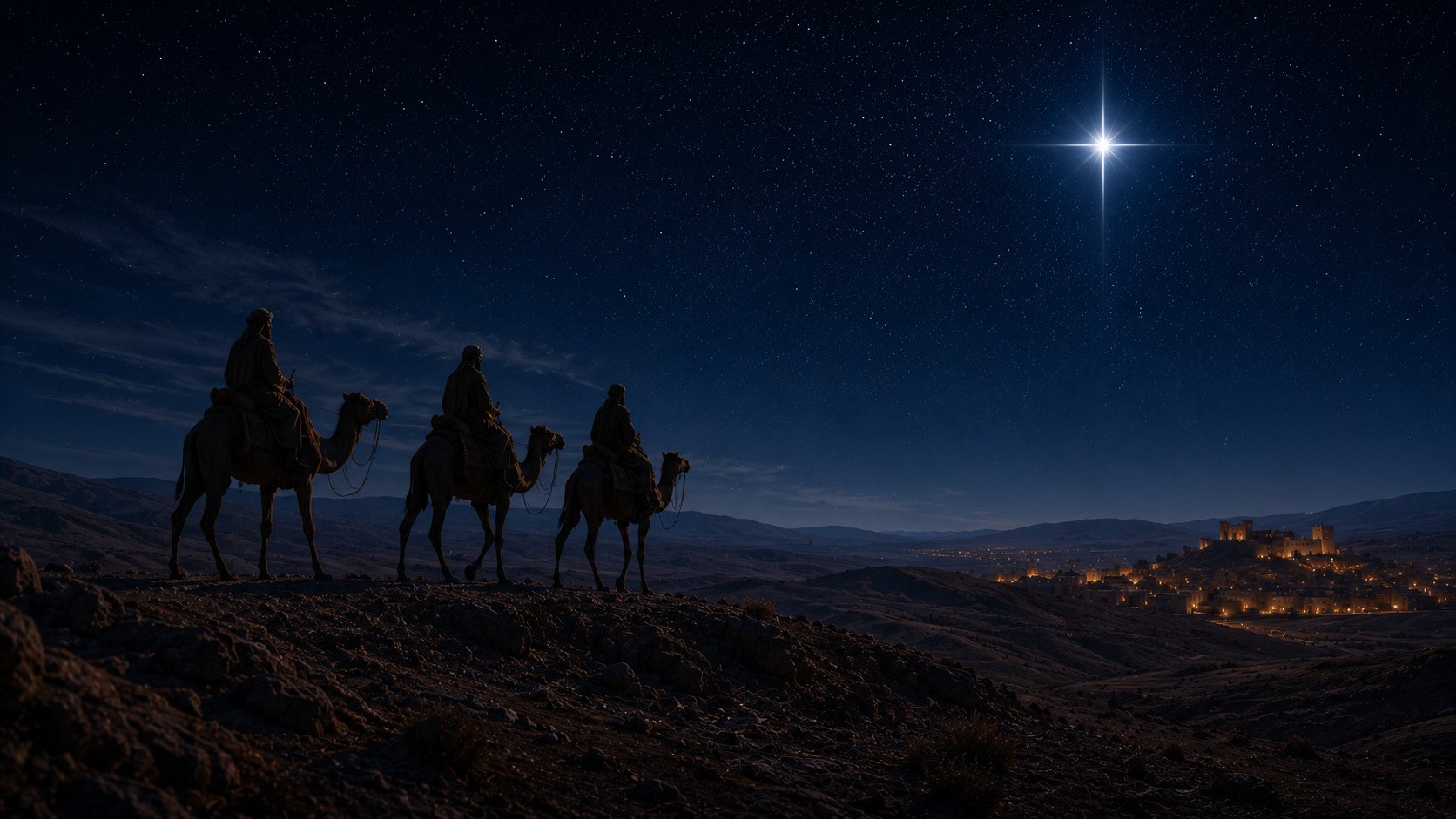
Matthew calls them "Magi from the east" who came to Jerusalem asking, "Where is the one who has been born king of the Jews? We saw his star when it rose and have come to worship him" (Matthew 2:2). The Magi were likely scholars or astronomers from the region of Persia or Babylon — Gentile foreigners who studied the stars. They were not Jewish, and they traveled a great distance, guided by a star, to find a foreign king.
That's part of the wonder: the first worshipers from afar were outsiders. The Christmas story, from the very start, reaches beyond Israel to the nations.
What the nativity set gets wrong
Several familiar details aren't in the text. The Bible never says there were three wise men — only that they brought three kinds of gifts. It never calls them kings, and never gives them names. And crucially, they likely did not arrive the night Jesus was born. Matthew says they came to a "house" and found the "child" (not the newborn in the manger), suggesting their visit may have been months, even up to two years, later (Matthew 2:11).
None of this diminishes the story — it sharpens it. The wise men were Gentile seekers who undertook a long journey to worship a child they recognized as a king.
A note on the three gifts
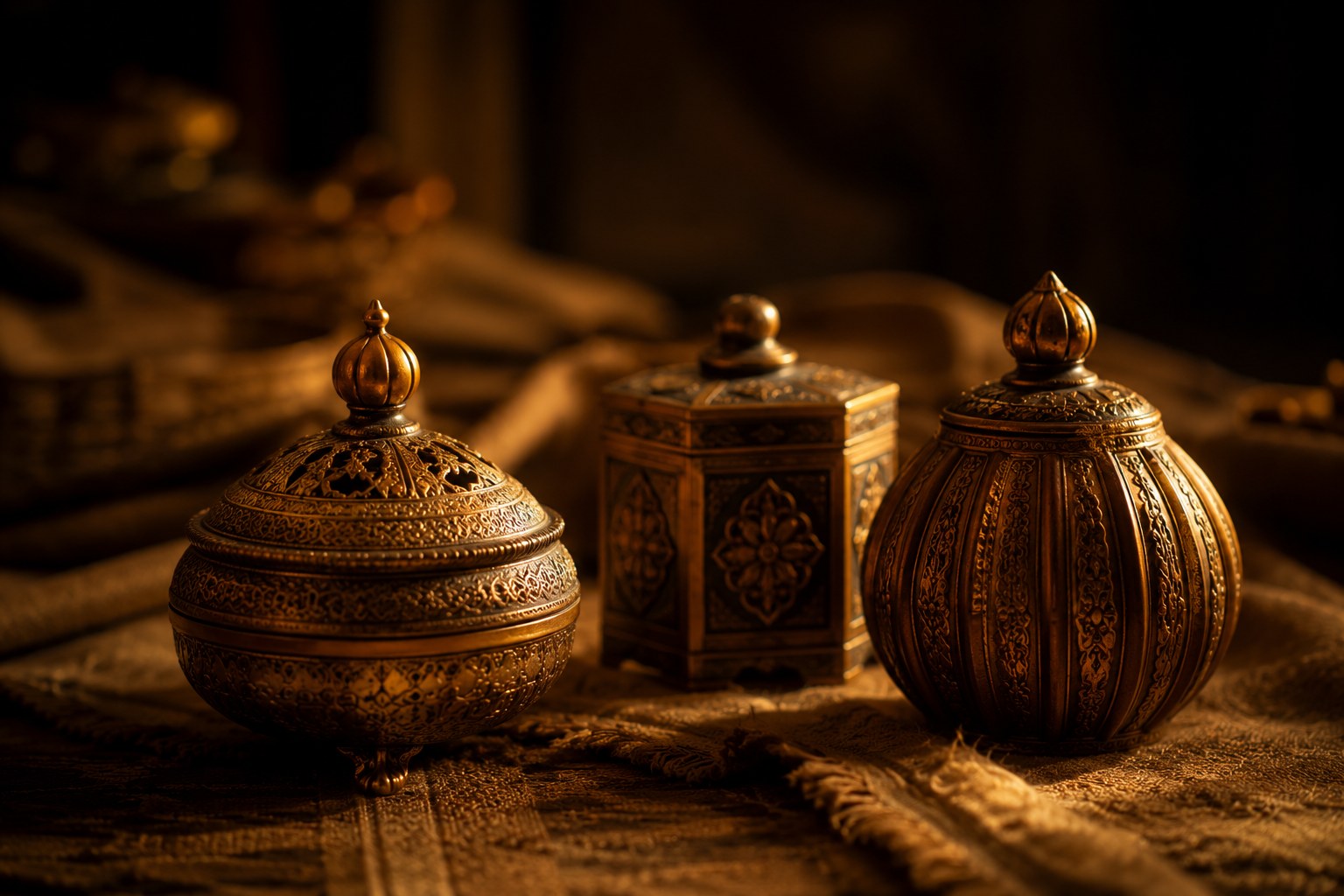
The gifts themselves have long been read as quietly prophetic, each one pointing to something about who Jesus was. Gold was a gift fit for a king — fitting for the "king of the Jews" the Magi came to honor. Frankincense, an incense used in worship, pointed to his divinity and priestly role. And myrrh, a spice used to anoint bodies for burial, carried a shadow of the cross even at the cradle — a hint that this child was born to die. Whether or not the Magi understood all of this, Matthew's readers would have caught the resonance. The gifts together sketch the whole arc of Jesus' identity: king, God, and the one who would give his life. It's a striking thing to find at a scene of worship — joy and a foreshadow of sacrifice held together, which is fitting, because that combination runs through the entire gospel.
What the wise men teach us
The Magi model something worth imitating. They noticed, they sought, they traveled at cost, and they worshiped. They were outsiders who took the long journey toward Christ when many who were near him did not. Their story is an invitation: those who seek him, even from far off, find a King worth every mile.
Learning from the wise men in the Bible
The wise men in the Bible noticed, sought, traveled at cost, and worshiped. Outsiders who took the long road to Christ, they invite us to do the same: those who seek him, even from far off, find a King worth every mile.
Frequently asked questions
Who were the wise men in the Bible?
They were "Magi from the east" (Matthew 2:1-2) — likely scholars or astronomers from Persia or Babylon who studied the stars. They were Gentile foreigners who traveled a great distance to worship the newborn "king of the Jews."
Were there really three wise men?
The Bible never states the number. The tradition of three comes from the three gifts they brought — gold, frankincense, and myrrh. Scripture also never calls them kings or gives them names.
What did the gifts of the Magi mean?
They are often read as prophetic: gold for a king, frankincense (used in worship) for his divinity, and myrrh (a burial spice) foreshadowing his death. Together they sketch Jesus as king, God, and sacrifice.
Did the wise men visit the manger?
Probably not on the night of the birth. Matthew says they came to a "house" and found the "child," suggesting their visit was later — possibly months or up to two years after Jesus was born.
Written by Hannaniah, an ordained minister and seminary professor based in California. For more, see Matthew 2 on Bible Gateway or Bible Hub.