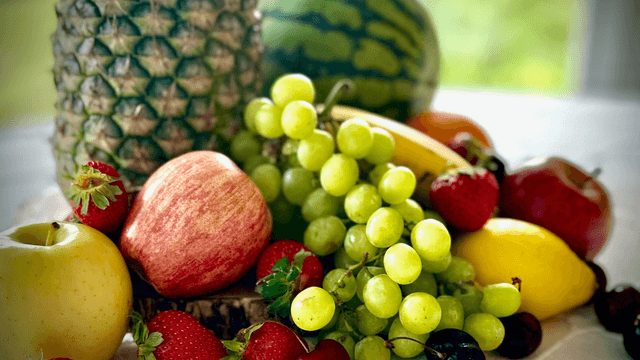


Taste and See That the Lord Is Good: Meaning

It's an odd phrase if you stop to think about it. You can't literally taste God. So why does the psalmist invite us to "taste and see"?

"Taste and see that the Lord is good" is one of Scripture's most sensory, daring invitations — a call not just to believe God is good in theory, but to experience it firsthand. Understanding why the psalmist reached for the language of taste opens up what the verse is really asking of us. It's one of our famous bible verses explained.

Morning light over an open Bible and a simple shared meal, taste and see that the lord is good

Here is where the verse comes from, why "taste" is the perfect word, and what it invites you to do.

The verse and its setting

The line is from Psalm 34:8: "Taste and see that the LORD is good; blessed is the one who takes refuge in him" (Psalm 34:8). David wrote this psalm after God delivered him from grave danger — so it isn't abstract theory. It's the testimony of someone who had personally experienced God's rescue and was urging others to find out for themselves.

That context matters. "Taste and see" is the invitation of a satisfied person who has eaten and now says, "You have to try this." It's evangelism by experience.

Why "taste" is the perfect word

Tasting is the most personal, undeniable kind of knowing. You can describe honey to someone all day, but a single taste tells them more than a thousand descriptions. The psalmist is saying that God's goodness works the same way: you can hear about it endlessly, but at some point you have to actually trust him and experience it.

Notice the order, too — "taste" comes before "see." Often we want to see proof first, then decide whether to trust. The verse reverses it: take the step of trust, and the seeing follows. The experience of God's goodness comes to those willing to taste.

A hand reaching toward warm light over a table, an image of experiencing God's goodness

A note on the invitation's boldness

There's a quiet audacity in this verse worth noticing. The psalmist doesn't say "take my word that God is good." He stakes the claim on something testable: try him yourself, and you'll find it's true. That's a confident thing to say — the kind of confidence that only comes from having tasted. It also tells us something about the nature of faith. Biblical faith is not a leap into the dark away from evidence; it's more like the first bite that then yields its own evidence. The apostle Peter later echoed this exact image, urging new believers to grow up in salvation "now that you have tasted that the Lord is good" (1 Peter 2:3). Tasting comes first; a lifetime of seeing follows.

How to "taste" God's goodness

Practically, tasting means moving God from the realm of ideas into lived experience: actually praying and watching what happens, obeying something he says and seeing the fruit, bringing him a real need rather than only discussing him. People who find God good are usually people who risked trusting him in something concrete. If you're in a season of loss, our comforting verses for the death of a loved one draw on this same Psalm 34 and its promise that God is near.

Choosing to taste and see that the Lord is good

Don't wait to feel certain before you trust. Taste and see that the Lord is good means taking a real step of faith and discovering his goodness firsthand — the tasting comes first, and the seeing follows.

Frequently asked questions

What does "taste and see that the Lord is good" mean?
It is an invitation to experience God's goodness personally, not just believe it in theory. Drawing on the vivid image of tasting, Psalm 34:8 urges us to trust God firsthand and discover that he is good.

Where is "taste and see that the Lord is good"?
It is found in Psalm 34:8, written by David after God delivered him from danger. He invites others to experience the same goodness he had personally encountered.

Why does the verse use the word "taste"?
Tasting is the most personal and undeniable form of knowing — one taste reveals more than endless description. The image conveys that God's goodness must ultimately be experienced, not just heard about.

How do I "taste" God's goodness?
By moving from ideas to lived experience: praying and watching, obeying and seeing the fruit, bringing God real needs. Notably, "taste" comes before "see" — trust first, and the seeing follows.

Written by Hannaniah, an ordained minister and seminary professor based in California. For more, see Psalm 34 on Bible Gateway or Bible Hub.

Give

Subscribe to the Daybreak Devotions for Women

Be inspired by God's Word every day! Delivered to your inbox.


Editor's Picks