Psalm 23: “My Shepherd”
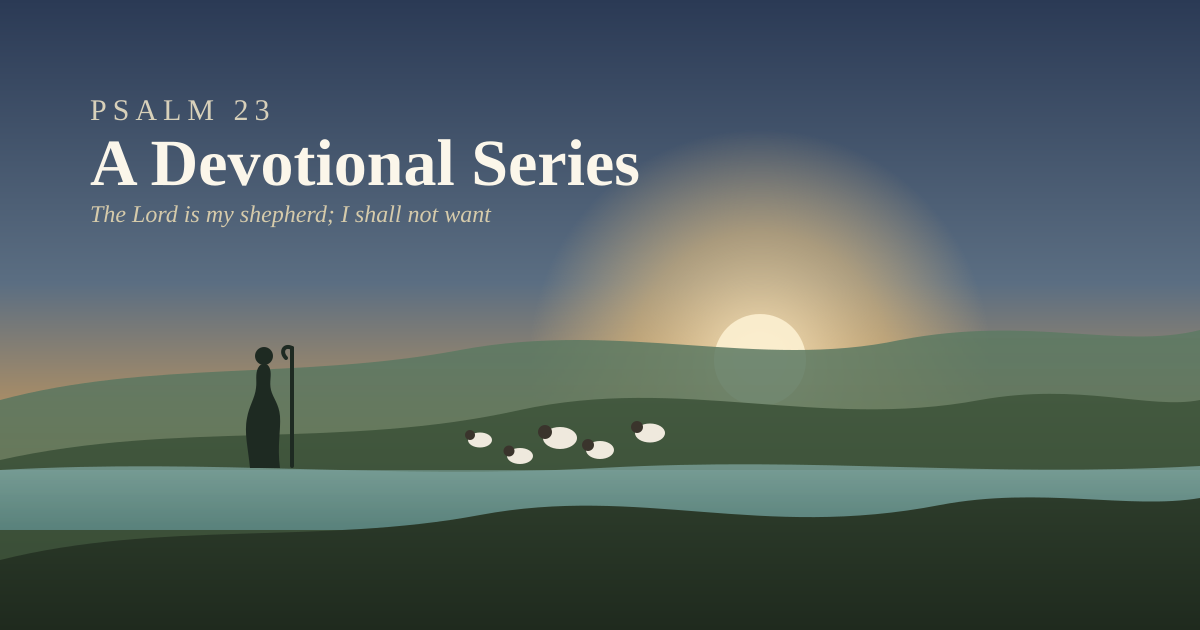
In the previous study we paused on the first word of this psalm, “the Lord,” and let it settle in as the foundation for everything ahead. Now we come to the word that turns that foundation into something you can actually stand on: “my.” David did not write, “the Lord is a shepherd,” as though describing a general truth about God’s character. He wrote, “the Lord is my shepherd,” and that small possessive pronoun is what turns a theological statement into a personal claim.
Think for a moment about what David actually knew of shepherding, because he did not write this word casually. He had spent real nights guarding real sheep from real predators, the same lions and bears he later described defeating with his own hands. He knew what it cost to guide a stubborn animal toward water it did not want to walk toward, and what it felt like to search in the dark for one sheep that had wandered off from the rest. When David calls God “my shepherd,” he is quietly placing himself in the position of the sheep: dependent, sometimes wayward, and in constant need of a care he could not provide for himself.
This is where the word “my” becomes something you are invited to claim as well, not simply admire from a distance. You may not think of yourself as wayward or dependent, especially if your life looks, from the outside, fairly steady. But David wrote this as a king, a warrior, a man used to being the one others depended on, and still he placed himself under this word. If David needed a shepherd, so do you, regardless of how capable your life appears to others. The invitation here is not to prove your self-sufficiency but to set it down.
There is something else worth noticing in the word “my.” A good shepherd does not know a flock only in general; he knows each sheep individually, its particular habits, its particular tendencies to wander, exactly where it is most likely to get itself into trouble. When David says “my shepherd,” he is claiming to be known this specifically, not cared for as part of an anonymous crowd but recognized by name. Whatever it is in your life that you assume no one else notices, the small habits, the particular ways you tend to wander, the Lord knows those in you the way a shepherd knows a sheep he has raised from birth. That is what “my” is claiming.
Finally, remember that David understood shepherding as something that could cost the shepherd his life. He had risked himself for his own flock, and he recognized in “my shepherd” a God willing to do the same for him, a willingness the rest of this psalm will carry all the way through the valley of the shadow of death. The word “my” is not sentimental. It is a claim on a shepherd who does not merely watch from a distance but is willing to go into danger on your behalf.
Let this be the phrase you carry with you as we continue walking through this psalm: not simply “the Lord is a shepherd,” but “the Lord is my shepherd.” Let the specific, personal weight of that word rest on you in whatever season you find yourself.
Prayer
Lord, thank you that you are not only a shepherd in general but my shepherd in particular. Forgive me for the times I have tried to manage on my own strength rather than admitting how much I depend on you. Thank you that you know me specifically, my particular habits and my particular ways of wandering, and that you have not left me to be cared for as part of an anonymous crowd. As I carry this word, “my,” let it remind me that you are personally present, willing to go into danger on my behalf, and near to me even when no one else is watching. I ask this in the name of Jesus Christ. Amen.
Read the complete series of devotionals on Psalm 23 by clicking here: “Studies on Psalm 23.”
NOTE
If you enjoyed this devotional on Psalm 23, you will enjoy reading my new book: Praying the Psalms: Finding Your Voice in Israel’s Prayer Book.
Praying the Psalms contains a devotional on all 150 psalms.
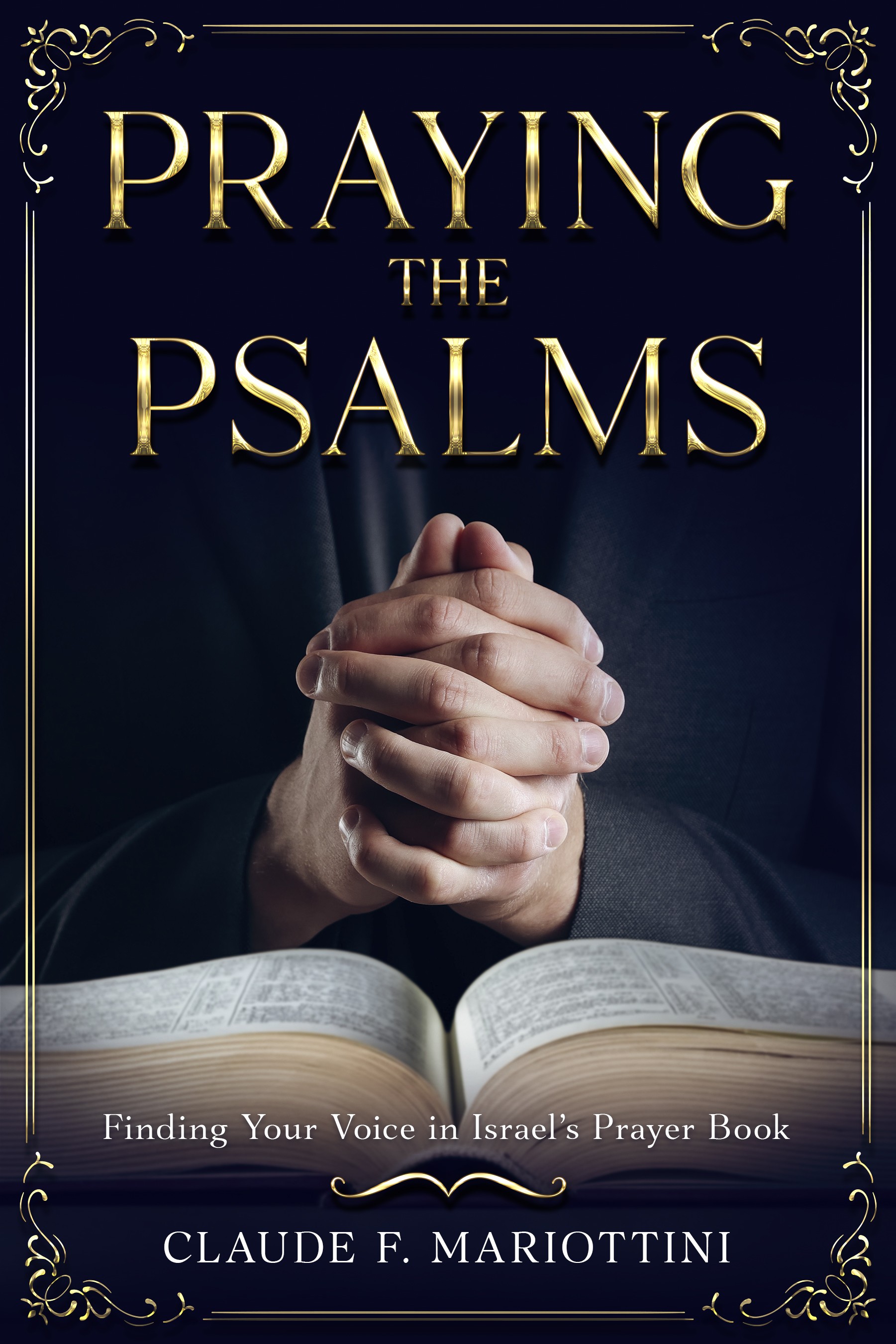
You can order the book from Ancient Path Press.
Claude Mariottini
Emeritus Professor of Old Testament
Northern Baptist Seminary
If you enjoyed reading this post, you will enjoy reading my books.
VISIT MY AMAZON AUTHOR’S PAGE
BUY MY BOOKS ON AMAZON (Click here).
NOTE: Did you like this post? Do you think other people would like to read this post? Be sure to share this post on Facebook and share a link on X so that others may enjoy reading it too!
If you are looking for other series of studies on the Old Testament, visit the Archive section and you will find many studies that deal with a variety of Old Testament topics.