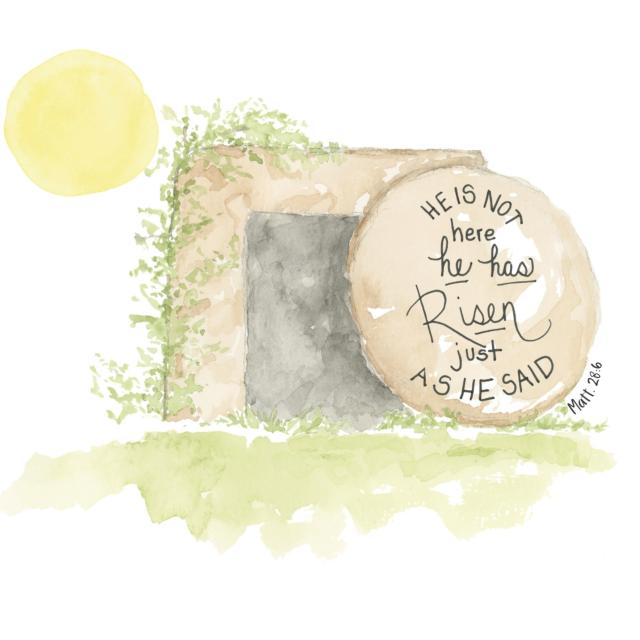
Five Crazy Pants Lies Christians Believe about Sin-

Show me your ways, Lord, teach me your paths. Guide me in your truth and teach me,
for you are God my Savior, and my hope is in you all day long- Psalm 25:4-5 NKJV
We live in an age of crazy pants lies.
There are so many lies told concerning so many issues, it can be tricky sorting out truth from fiction. This should come as no surprise to Christians. Scripture predicts an age of widespread deception in the years prior to the return of Jesus (Matthew 24:4, Matthew 24:11-12, Matthew 24:24). Sadly, church world is not, nor has it ever been immune to lies (Romans 16:17, Timothy 4:3-4, 2nd Peter 2:1). Christians have an enemy that seeks to steal, kill and destroy every good thing in the life of believers (John 10:10, Mark 4:15, 1st Peter 5:8). Therefore, the enemy benefits from Christians believing lies. There are more lies are told about sin in our age than almost any other issue. Some believe that because our sin is forgiven it is not something Christian’s ought to get worked up over. Others are so legalistic they make zero space for the foolishness and failings of humanity. This leaves those who have experienced moral failure feeling hopeless. Sin is an area that needs the light of truth shone on it. Following are five of the biggest lies we believe about sin.
All sin is the same-
In one sense it’s true that all sin is the same. All sin is terrible and any sin (no matter how small or insignificant it seems to us) will keep a person separated from God forever (Romans 3:23). However, the whole notion that all sin is exactly the same once a person has been redeemed by Jesus (Mark 16:16, Romans 10:9-13, 1st Corinthains 15:1-5, Ephesians 2:1-10) does not hold up biblically. Some sins carry greater consequences than others. Telling someone their hair looks nice when it doesn’t (a lie) really only hurts the liar. Choosing to lie will make the liar comfortable with lying. Becoming comfortable with sin gives the devil a foothold in a person’s life. This will likely lead to a hardness of heart and even more lying but at the end of the day it is the teller of the small lie who is hurt the most (Revelation 2:8). Other sins like murder, abuse, idolatry and theft damage others, potentially creating life altering ripples in current and future generations (Proverbs 6:27-28). Moreover, the Bible makes it clear there are certain sins that if practiced routinely will keep a person out of heaven (1st Corinthians 6:9-10, Galatians 5:19-20, Ephesians 5:5). That is simply not true of every sin. One can view this sticky wicket in one of two ways. Either genuinely saved people do not routinely commit those sins (Calvinist theology) or routinely committing those sins causes you to lose your salvation (Armenian theology). Either way it should make us think long and hard about what kind of sin we allow ourselves to get caught up in (Hebrews 12:1).
God doesn’t hear when a sinner prays-
Hogwash. God hears everything. He’s omniscient. God does not tune out prayer simply because it was uttered by a sinner (Romans 3:23). If He did no one in the history of humanity would ever have had a prayer answered. However, the only prayers God routinely ANSWERS from those living in stubborn, unrepentant sin are prayers of repentance asking for mercy, help and grace (Micah 3:4, Isaiah 59:2, 1st Peter 3:7). It’s just one more really good reason to choose to live a life as free from sin as possible (1st John 3:22.
Sin is the fault of an outside source or influence-
This lie is as old and persistent as the fall (Genesis 3:12). In John chapter nine Jesus heals a man who was born blind. Instead of marveling at the miracle they just witnessed, the pharisees just wanted to know who sinned causing this man to be born blind. Our generation is remarkably similar. Anytime someone sins (child molestation, abuse, murder, etc.) people look to outside sources to explain why that person became such a heinous sinner. Bystanders are quick to blame bad parenting, poverty and bullying for the sinful actions of the sinner. Ultimately, this tendency keeps people from taking responsibility for themselves and places guilt squarely on those (parents especially) who oftentimes did nothing wrong (Ezekial 18:1-31). The truth is that we all (no matter our experiences) have a choice about whether or not we sin (James 1:13-15)
Intentional sin is no different from unintentional sin-
It is true that any sin can be forgiven. It is also true that God understands and makes space for human weakness and stupidity (1st John 1:9-10). That’s what grace is for. However, intentional sin (sinning on purpose, knowing it’s a sin) reveals a prideful heart that has either strayed far from God or a heart that never knew God at all (Numbers 15:30). Furthermore, those who sin intentionally and arrogantly often feel that God “owes” them forgiveness. These folks are (in my experience) more likely to deconstruct and walk away from the faith altogether (Hebrews 3:11-13). The bottom line in all this is that intentional sin is very bad and spiritually very dangerous. Anytime we are tempted to sin intentionally we should do some heavy self-reflecting (2nd Corinthians 13:5) and make an effort to figure out what’s going on in our hearts.
And finally:
Our sin is what defines us-
It can be, but only if we refuse to place our faith in Jesus. When we trust Jesus to forgive our sin and choose to repent (Matthew 4:17, Matthew 3:8). Jesus graciously forgives our sin, forgets all about it and makes us (spiritually speaking) white as snow. He then gives us the ability to transform into His image (Isaiah 1:18, Micah 7:19, Romans 12:2, 2nd Corinthians 5:17). This is a gamechanger for anyone who chooses it.